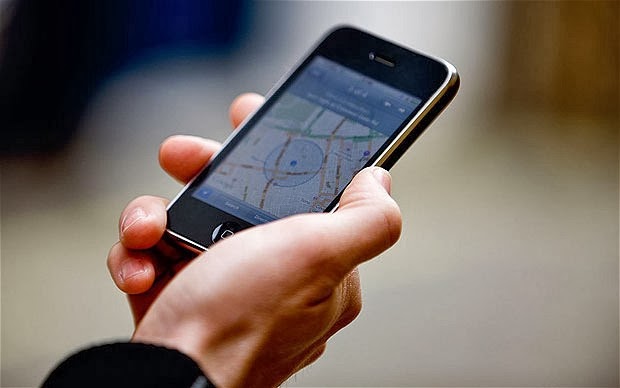
The UN tells us there are now more people in the world with mobile phones than ever before. According to GSMA Intelligence, there are also more mobile devices than people. And the 7.2 billion devices already used around the globe are multiplying a lot faster than we are.
The fact is, we’re hooked on our mobile connectivity. We’re using mobile devices for everything from tracking our partners to forecasting the weather, and even measuring our heart health.
Business travellers are depending on mobiles too
When business travellers set off abroad they turn to their mobile devices to find their way, research accommodation, catch up on news, make travel plans, pin down colleagues and more.
But when something serious happens overseas, it’s not always easy to find exactly the right advice and help quickly, from a single online source. Especially in the last year, when travellers have had to contend with everything from the British Airways flights fiasco and cyber security threats, to wildfires, hurricanes and terrorist attacks.
The (not so good) old days
Dramatic as recent global events have been, they’re not unprecedented. Think back to Turkey in July 2016, when the military surrounded Istanbul’s Atatürk Airport and flights were grounded. Or to Paris in November 2015, when there were several terrorist attacks across the city. Or to Greece in July 2015, when wildfires raged outside Athens. Many business travellers in situ had limited real-time and comprehensive information about what was going on, or how to react.
The value of hand-held solution
What if corporate travel risk mitigation came hand-in-hand with mobile access to a complete online risk management programme, as a matter of course? What if this global programme anticipated both medical and security risks, and provided services to mitigate these risks, such as pre-travel advice and training, tailored to specific destinations and needs?
What if it offered an accurate gauge of what life was really like on the ground abroad, with real-time intelligence and situational awareness? What if it provided location-based monitoring and asset tracking; enabling HR departments to see all their global staff and assets in the context of relevant threats, and letting relatives at home see how close loved ones were to danger?
If an emergency struck, what if travellers could counteract the risk by using their mobile apps to raise an alert or call for medical or security assistance and advice from multilingual response teams - at the swipe of a screen? And all this from the same mobile source, on a single mobile platform.
Meeting expectations
Business travellers today are venturing further afield than ever, to countries with limited medical care and volatile security situations. Even in traditionally safe destinations, threats to their health and safety are unpredictable.
It’s no surprise that their expectations of travel risk management have changed. Increasingly, they want to know about the real-time risks that they’re up against abroad and harness the right technology to counteract them - from a single source in the palm of their hands.
Advanced mobile intelligence tools can’t always prevent a crisis overseas. But they can limit the impact of an emergency - and that’s a compelling reason to make them part of any travel risk management plan.
This post was written by Chris Knight, head of corporate services at global assistance providers CEGA. CEGA and security experts Solace Global are exhibiting their one-source medical and security assistance service, INtrinsic, at the Business Travel Show, stand B254. Register for your free ticket now at http://bit.ly/2qYu9GF.